Ford Electric Vehicle Charging: What You Need to Know
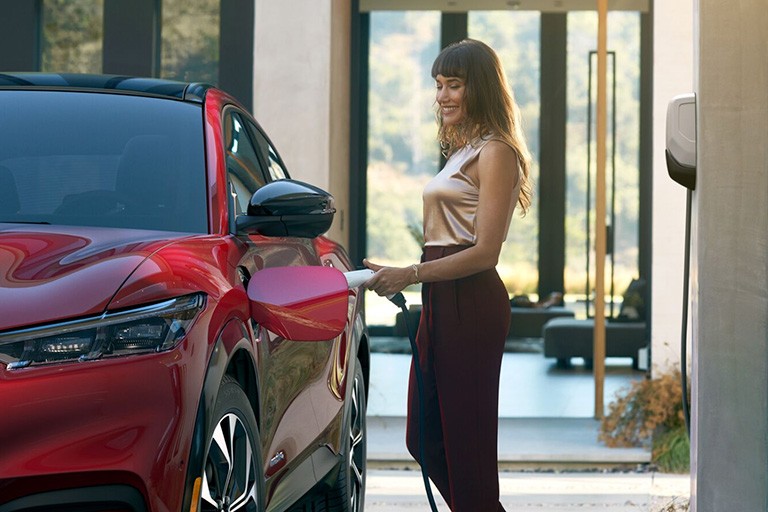
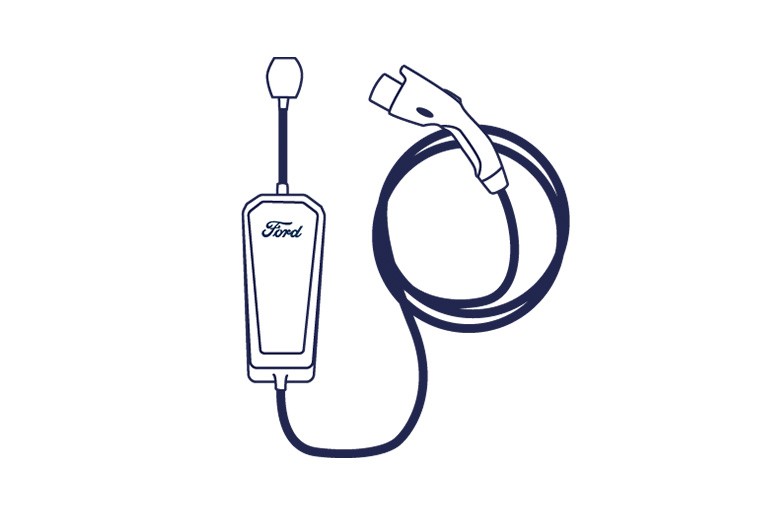
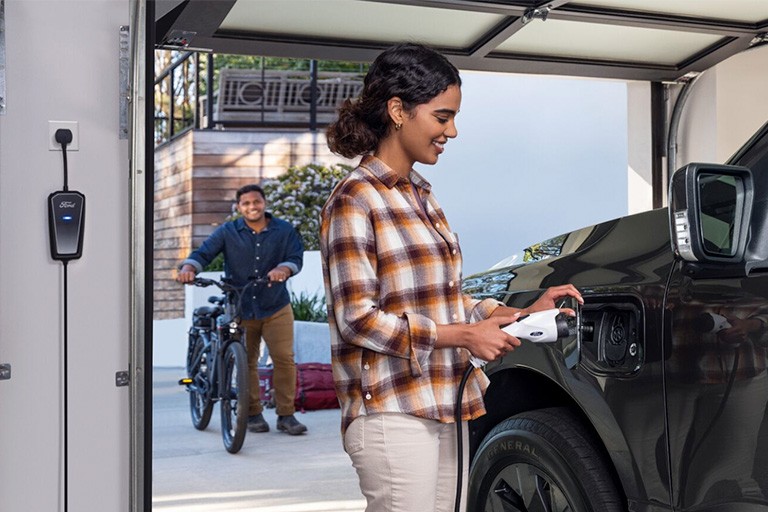
Mobile Power Cord
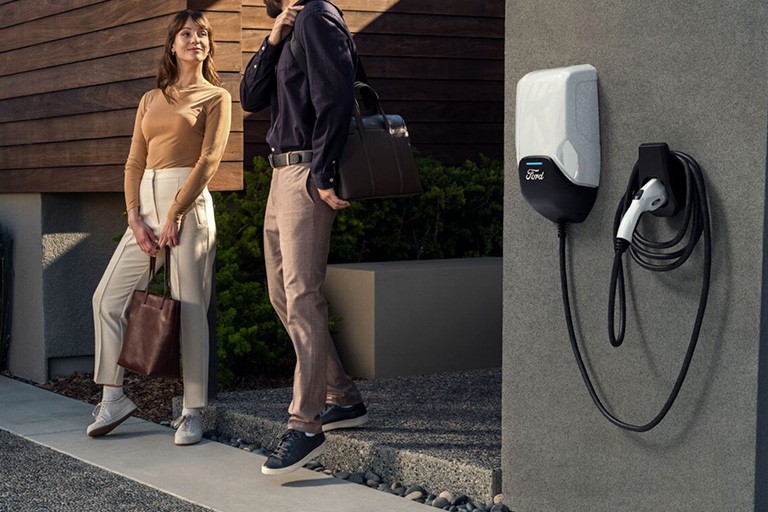
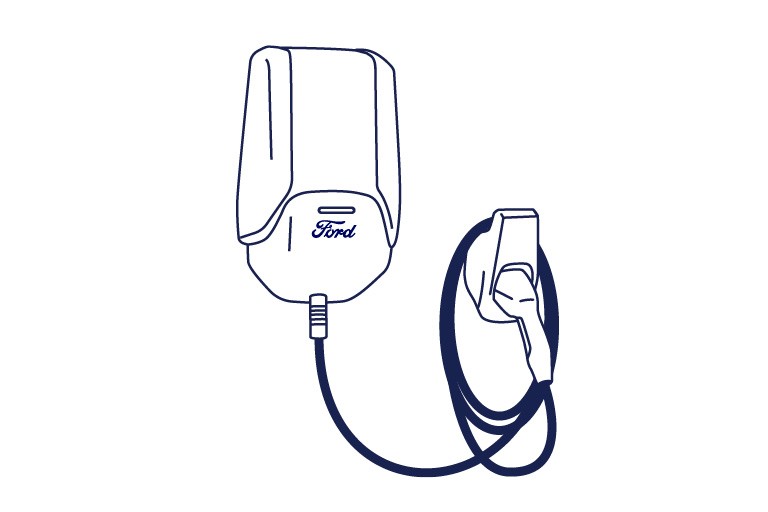
Connected Charge Station
Charging Levels to Fit Your Needs
L1 (Level 1): Low-Level Charging
L2 (Level 2): Mid-Level Charging
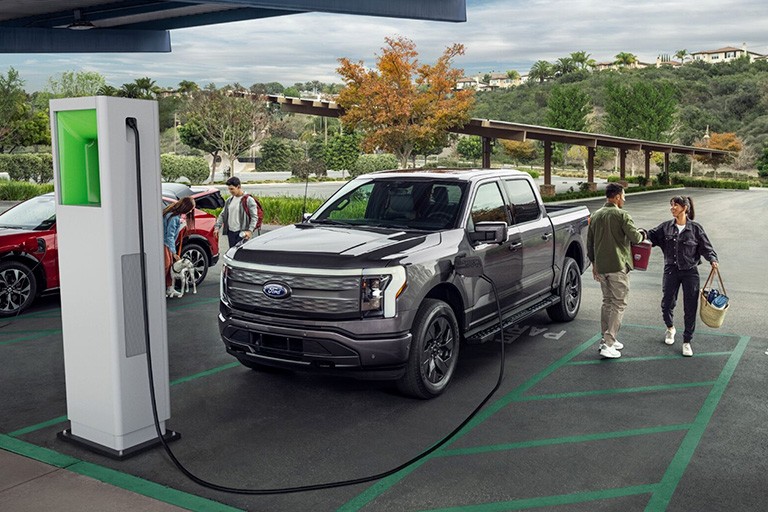
L3 (Level 3): DC Fast Charging
Powering Your Peace of Mind
The Ford Power Promise is our commitment to supporting your EV journey right from the start. Get a complimentary home charger and standard installation* plus 24/7 live support so you can drive with total confidence.89
*Excluding Quebec
EV Charging Options for Condo and Apartment Residents
Get On Board with Daily Charging
Reduce range anxiety by making EV charging part of your daily routine. Check out these tips and see our FAQs for even more helpful info.
...less-
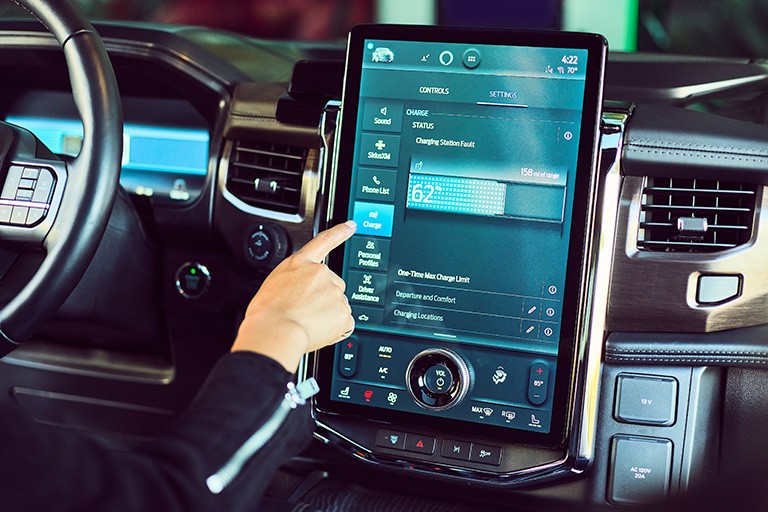
Setting a Charging Schedule
You can set a charging schedule using SYNC 476 in your vehicle, or via your smartphone with the Ford app99. This will allow you to monitor and manage your vehicle’s charging to create a schedule that works for you.
-
Daily Commute vs. Road Trip
Your EV’s charging needs will vary based on the length of your trip, and for your day-to-day journeys, an 80-90% charge is more than enough. Plan accordingly for every excursion – from your daily commute and running errands to road trips and extended adventures. Find EV chargers in-vehicle or in your Ford app99.
-
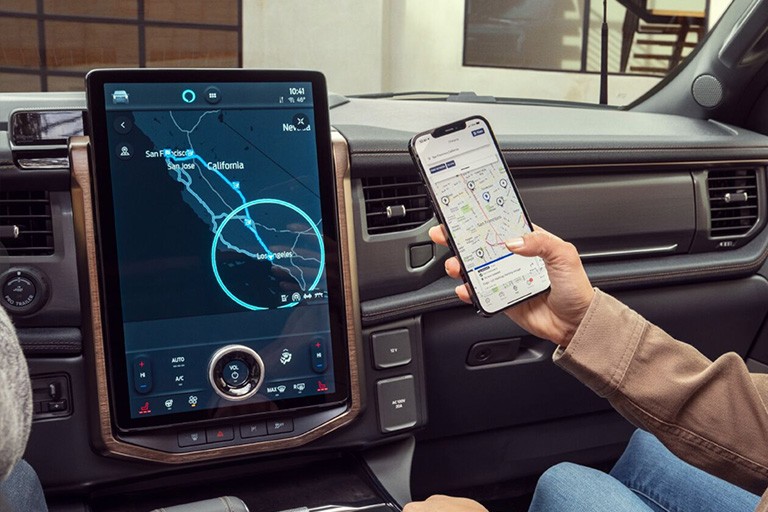
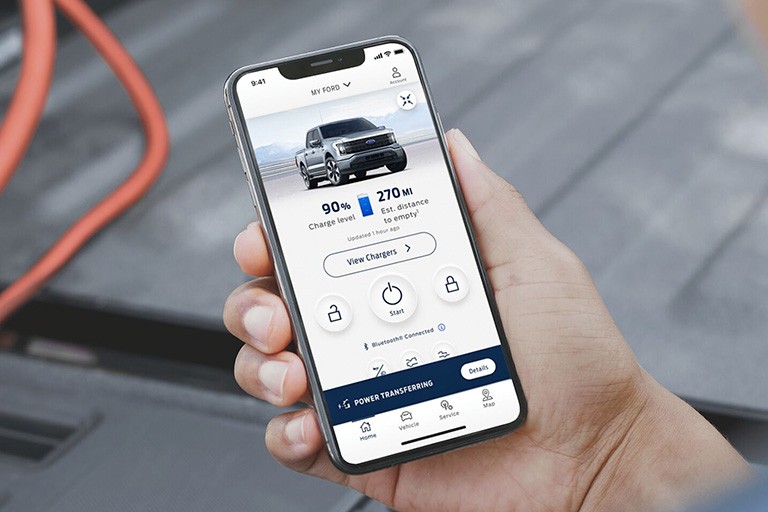
Manage Charging with the Ford App99
The Ford app allows you to find charging stations, monitor charging, and manage settings right from your smartphone. You can also set a charging schedule that works for you.
EV Charging FAQs
Can I charge my EV from a regular wall outlet?
Yes. The Ford Mobile Power Cord can connect to any standard 120V outlet – just like the ones in your household.
Can I use a standard extension cord to charge my Ford EV?
It is not recommended to use an extension cord to charge your EV, however the Ford Mobile Power Cord and Ford Charge Station wall chargers all have a generous 6-metre (20-foot) cable.
Can I charge my Ford EV at a Tesla charging station?
You can charge your Ford EV at upgraded Tesla Superchargers. A fast-charging adapter (NACS) is required. Note that Tesla Destination Chargers require a different adapter, available for purchase from third-party sellers.
Can I use my Ford charging station for non-Ford EVs or my plug-in hybrid?
The Connected Charge Station uses an industry-standard type J1772 connector, so it can charge any EV or PHEV compatible with type J1772. The Charge Station Pro is compatible with all Ford EVs. The Ford Mobile Power Cord is compatible with all EVs and PHEVs in the market.
How long will it take to fully charge my EV?
Depending on whether you are using L1, L2, or L3 charging, you can sufficiently charge your EV overnight through a 120V outlet or get an up to 80% charge in as little as 20 minutes, usually found at a public DC fast charging station.
What percentage should I charge my EV to?
A charge of 80-90% is more than enough for the average daily commute. A full charge is recommended for longer excursions or road trips. To reduce range anxiety, plan ahead and choose a route with nearby charging stations. The more you drive your vehicle, the better you will get to know your specific charging needs.
Why don’t I need to be always 100% fully charged?
It is best to minimize instances of 100% or 0% charge as these extremes will stress and eventually degrade your EV battery. If you need to charge mid-journey, you can find nearby charging stations via the Ford app99 or plan your trip in advance so you know exactly when and where you’ll need to charge.
How far will one charge take me?
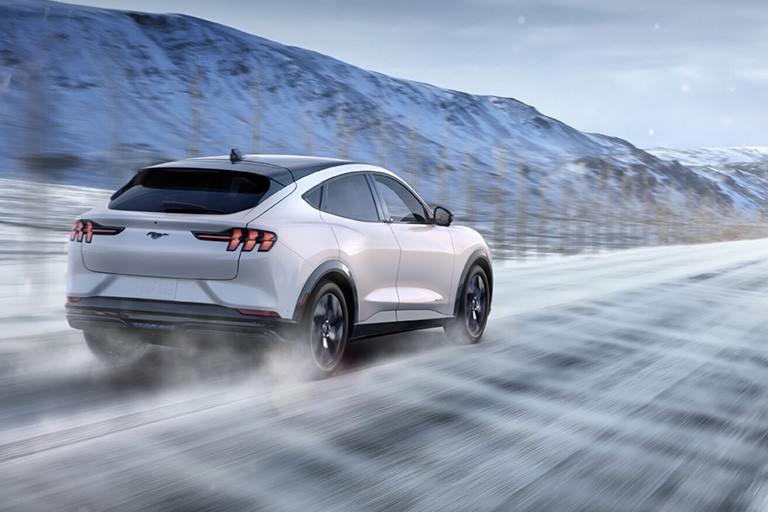
Your EV’s distance to empty when fully charged depends on your model, battery, climate, and other factors. Your Owner’s Manual will provide more specific information on your vehicle’s range.
What should I do if I run out of charge while I’m on the road?
If your EV runs out of charge while you’re on the road, Roadside Assistance115 can take your vehicle to the closest public charger, your home, or even your preferred Ford Dealer nearest to the breakdown location.
How do I get the best range from my Ford EV?
Plan your trips to include nearby charging stations and make daily charging part of your routine – in much the same way as you would your smartphone – ideally starting your day with an 80-90% charge.
Are there available rebates, offers or government incentives for chargers?
Keep an eye out for federal and provincial rebates and incentives for applicable savings on your EV purchase.